
Are generative models smart? Only if you're smarter about what you ask!
Generative AI can help experts work faster, but useful results still depend on asking the right questions, understanding the domain and checking the answers.
 By Ivan Skula
May 12, 2023
By Ivan Skula
May 12, 2023
The Internet is flooded with amazing pictures from the newest version of Midjourney, plus tens, if not hundreds, of browser extensions that should further expand ChatGPT's already almost infinite range of use cases. Even OpenAI itself came with the plugins/extensions to go beyond ChatGPT.
All the new "AI prophets" are painting a picture of generative AI as the final frontier, and anyone who doesn't live the hype will ultimately become obsolete. How programmers will starve because, from this moment onwards, ChatGPT can do their 8h job in minutes and almost for free. And if you "connect the dots" by looking at the huge layoffs in the technological sector, you might get the impression that the dark future is upon IT engineers.
What - I believe - is not sufficiently highlighted is that you must ask the right question to get the actual value out of the generative models.
- I have seen cybersecurity experts claiming and demoing how ChatGPT can create malware.
- I have seen marketing experts claim that ChatGPT can create a full sales team strategy.
- I have seen programmers claiming and showing how ChatGPT can generate working source code.
- I have seen web developers claiming and showing how ChatGPT can create amazing web pages.
- I have seen data scientists claim and show how ChatGPT can ingest, cleanse, and prepare data for analytics.
But if you look at the above closely, you will spot a pattern :)
Yes, ChatGPT is a tool, one of many that we can use to do our job faster and/or better. Still, all the above examples are valid only for those who already know what they are doing, can ask the right question, and can verify and connect the pieces to turn ChatGPT outputs into an actual solution or product.
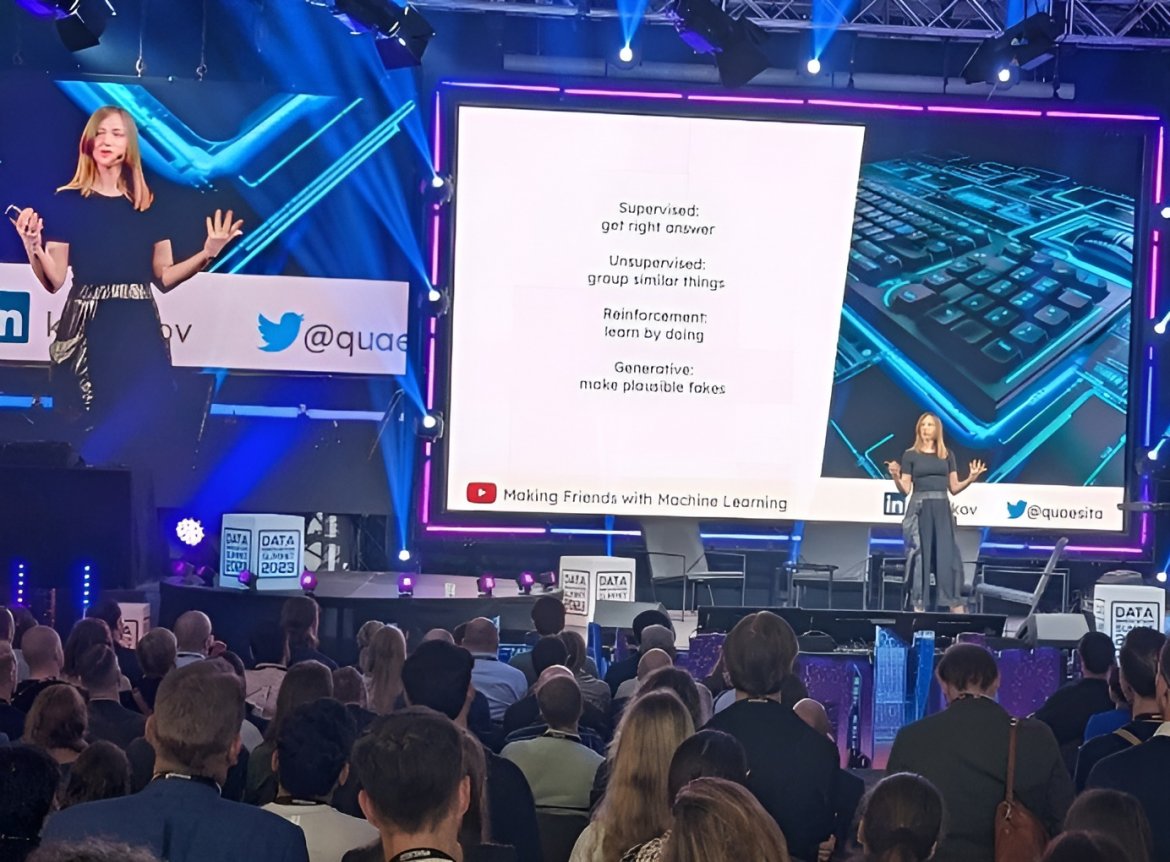
Because we all know what generative models actually do: "Make Plausible Fakes" :) (ref: Cassie Kozyrkov, Chief Decision Scientist @ Google)
Example of what asking the right questions means



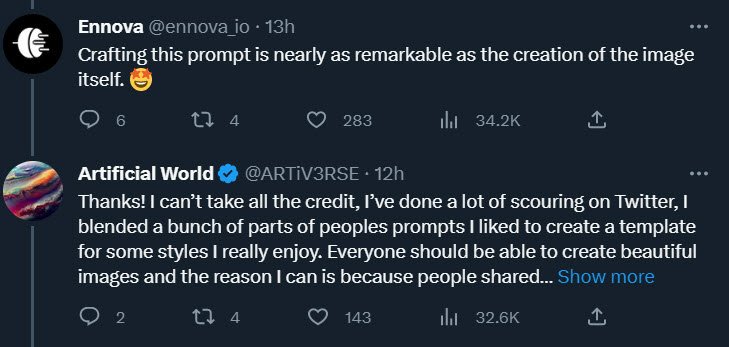
And now, try to apply the above to any other domain.
Do you still believe that everyone can do the job that you are doing without knowing what you know?
Do you believe anyone can be a programmer and create code, generate a sales strategy, and develop an accurate analytical model using ChatGPT?
Do you believe they would know how to formulate the right question or prompt?
Do you believe they could assess or validate the response they got?